Wondering which fish can actually live with African cichlids without turning your tank into a battlefield? There’s no denying the charm of African cichlids vibrant, bold, and brimming with personality.
Hailing from Lakes Malawi, Tanganyika, and Victoria, these fish light up a tank like little fireworks… but they don’t play nice. I’ve had bruised fins and bruised pride trying to “wing it” with the wrong mix. Their territorial instincts and unpredictable aggression make finding the right tank mates feel more like matchmaking with teeth.
Instead of rattling off a bunch of species names, we’re going deeper into behavior, lake-specific quirks, tank layout, and size dynamics to understand what really makes certain combinations click (or clash).
The 4 Compatibility Rules Every Aquarist Ignores (But Shouldn’t)
Before tossing in a tank mate and hoping for the best, it helps to remember a few rules I wish someone had drilled into me early on.
Rule 1
Match the attitude. Never mix a chill fish with a territorial bruiser like a Mbuna. Aggression levels need to be in the same ballpark, or someone’s going to end up hiding behind a filter.
Rule 2
Feed smart. Mbunas are herbivores. Haps are carnivores. Peacocks lean omnivore. Mixing diets without planning usually means someone’s either bloated or underfed.
Rule 3
Get the water right. African cichlids thrive in hard, alkaline water (pH 7.8–8.6). That’s non-negotiable for long-term health.
Rule 4
Think vertically. Pairing a bottom-dweller like a Synodontis with a mid-swimmer can reduce turf wars. Territorial zones matter more than most folks realize.
Compatibility isn’t a guessing game, it’s habitat logic. Nail these basics, and your tank drama drops by half.
Lake-specific pairings that actually work
One of the biggest rookie mistakes I see? Treating all “African cichlids” like they’re from the same neighborhood.
They’re not. Different lakes, different vibes.
Lake Malawi is home to your Mbunas, Peacocks (Aulonocara), and Haps (Haplochromis types). These fish are bold, colorful, and usually not afraid to throw down. Mbunas especially are aggressive and territorial best kept with other Mbunas or Malawi natives that can hold their own.
Lake Tanganyika brings a more eccentric bunch: Julidochromis, Cyprichromis, and shell dwellers. Quirky, yes, but still territorial in their own right. They thrive in rocky habitats with line-of-sight breaks and often rely on mouth-brooding or substrate spawning.
Lake Victoria cichlids are less common in the hobby, but when you do find them, expect aggression on par with the tougher Malawi types. Problem is, they’re often misidentified and misunderstood.
Mixing lakes might sound “diverse,” but trust me it’s like putting three different soap operas in one tank. Drama everywhere. Stick to lake-specific setups whenever you can, and your fish (and sanity) will thank you.
Tank Mates that work (with caveats)
Some combos work but only if you play by the fish’s rules. Even “compatible” tank mates can turn on each other when the setup’s off.
Compatible African Cichlids

Yellow Labs (Labidochromis caeruleus)
Let’s start with the usual suspects. Yellow Labs are peaceful Mbunas that make solid tank mates in a Malawi setup. They’re often labeled “community cichlids,” but still need space and structure.
Aulonocara

AKA Peacock cichlids, are flashy and less aggressive, though they can get pushed around by rowdier Mbunas.
Julidochromis

Then there’s Julidochromis from Lake Tanganyika graceful rock dwellers with a territorial streak. They do best in species-only tanks or carefully matched setups.
Non-cichlid companions
Synodontis catfish
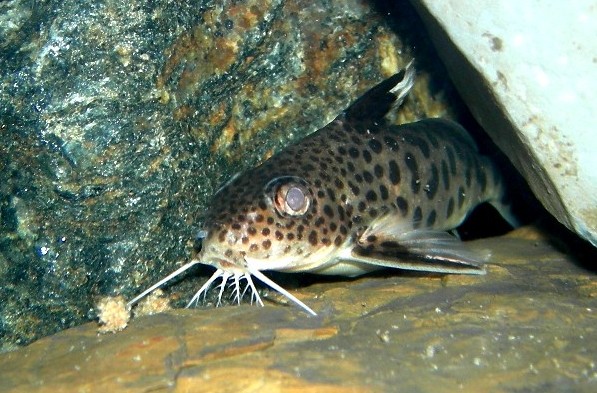
Synodontis catfish, especially S. petricola, are bottom-feeding ninjas, tough-skinned and tank-smart. They share the cichlids’ love for hard water and rocky zones.
Bristlenose plecos
These get points for being low-drama algae eaters that handle the same conditions. And if you’re set on schooling fish, African red-eyed tetras are fast enough to dodge trouble and fill out the top zone.
Here’s the kicker: Success isn’t just about who you add, but where they swim. Tank zone dynamics top, mid, bottom matter more than most folks give credit for.
| Fish Species | Type | Lake origin/Native region | Zone in Tank | Aggression Level | Notes on Compatibility |
| Yellow Lab (Labidochromis) | Mbuna Cichlid | Lake Malawi | Mid | Moderate | Peaceful for a Mbuna; good starter fish |
| Peacock Cichlid (Aulonocara) | Haplochromine Cichlid | Lake Malawi | Mid-bottom | Low to Moderate | Do well with other mild Malawi species |
| Julidochromis | Tanganyika Cichlid | Lake Tanganyika | Bottom | Territorial | Best in species-specific or Tanganyika setups |
| Synodontis Petricola | Catfish | Lake Tanganyika | Bottom | Peaceful | Hardy bottom-feeder, armored, active at night |
| Bristlenose Pleco | Catfish | South America (non-African) | Bottom | Peaceful | Tolerates hard water; great algae eater |
| Red-eyed Tetra | Tetra (Characin) | Congo Basin | Top-mid | Peaceful | Only in large tanks with non-aggressive cichlids |
| Congo Tetra | Tetra (Characin) | Congo Basin | Top-Mid | Peaceful | Only in large tanks with non-aggressive cichlids |
Tank mates to avoid (Even if the store says they’re ‘community’)
Neon tetras, guppies, and bettas?
Too dainty. They’ll either get bullied to bits or vanish overnight.
Goldfish
These are another no-go, they need cooler, softer water and make messy tankmates.
Angelfish or South American Cichlids
These might seem like cousins, but their softer water needs and mellow temperament don’t hold up in a high-energy African setup.
And then there’s the convict cichlid a walking fistfight. They’ll scrap with anything, even tough Mbunas.
I’ve made some of these mistakes so you don’t have to. Compatibility isn’t just about size it’s chemistry, temperament, and knowing when not to mix drama queens with bruisers.
The role of aquascaping in compatibility
You can’t scape away aggression but you can redirect it. Aquascaping isn’t just for looks in a cichlid tank; it’s behavioral management.
Rockwork and caves are a must for Mbuna and Julidochromis. These fish need boundaries to claim, not open floorplans. Stacking rocks with nooks and crannies helps create mini-territories and diffuses tension. Line-of-sight breaks are underrated they keep dominant fish from constantly eyeing and chasing others.
If you’re keeping shell dwellers or bottom-feeders like Synodontis, go with sand substrates. They dig, sift, and nest naturally in it.
Avoid dense plants. Most African cichlids will treat them like salad or demolition projects.
Smart scaping helps define territorial zones and gives everyone their own corner to defend, not destroy.
The myth of the ‘Dither Fish’ in cichlid tanks
In community tanks, dither fish like danios or barbs are used to calm shy species. But with African cichlids? That’s a gamble.
Sometimes they’re ignored. More often, they’re target practice.
The idea doesn’t fully translate here, these cichlids aren’t shy; they’re watchful warriors. If you’re dead set on trying it, go with larger, fast-moving species like red-eyed tetras or Congo tetras that can hold their own in open water.
Just know: in a cichlid tank, dithers rarely steal the spotlight they dodge it.
Build peace through planning
African cichlids can live with tank mates but it takes more than crossing your fingers. When you factor in behavior, lake origin, and layout, even the rowdiest setups can feel surprisingly balanced.
Don’t just search “what fish go with cichlids.” Understand the why behind the pairing, and peace follows.
Happy fishkeeping!